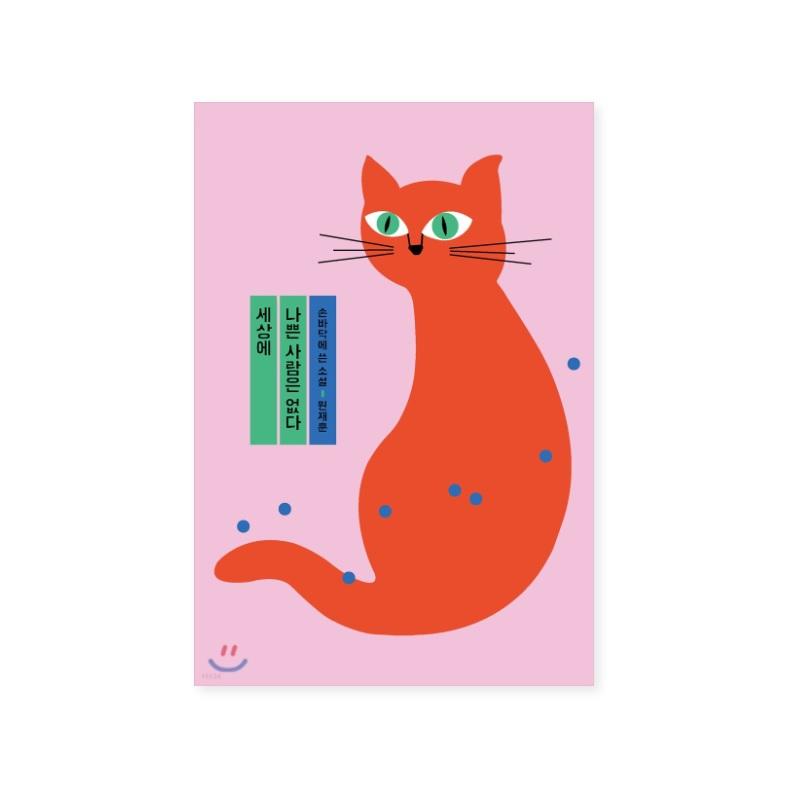
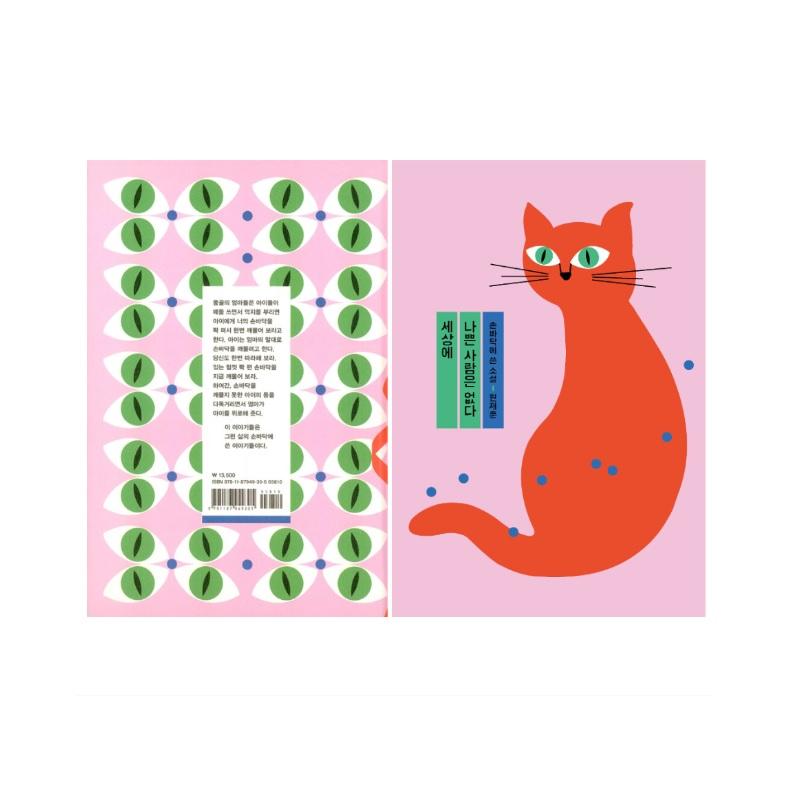
-Book Introduction
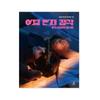
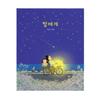
Poet Won Jae-hun re-entered his literary career as a novelist over 20 years after his debut, and has published a series of novels that have attracted the attention of the literary community. His novels stand out with poetic implications worthy of a poet in well-crafted sentences and narrative structures. The work he brought this time is a palm novel. It is interesting to see the new literary world unique to the writer who freely crosses genres. We who live in modern times are lonely. As he struggles not to become a loser, he is covered with scars. When you get close to someone because you are lonely, even the ‘cat scar’ (pp. 213-220) is added. I can't get out of the mental void and it's hard to even find time to read a novel. Won Jae-hun's palm novel embraces these wounded people. If his previous feature, "Hammer" was a requiem for his father, and "Love Feeling" was a homage to the youth of the 1980s, "There are no bad people in the world" is a work that comforts all of us living in this era.
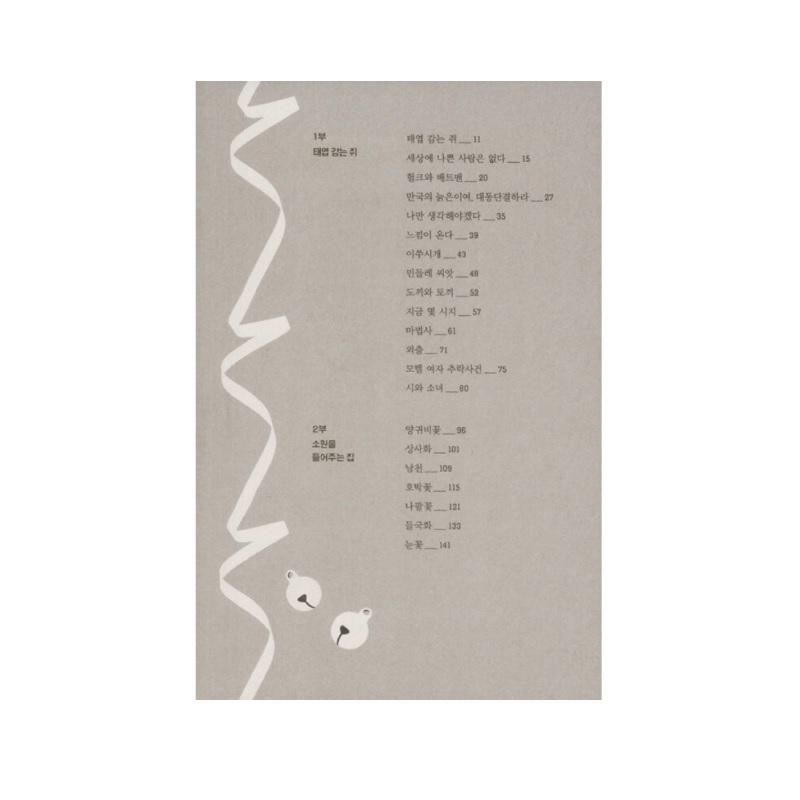
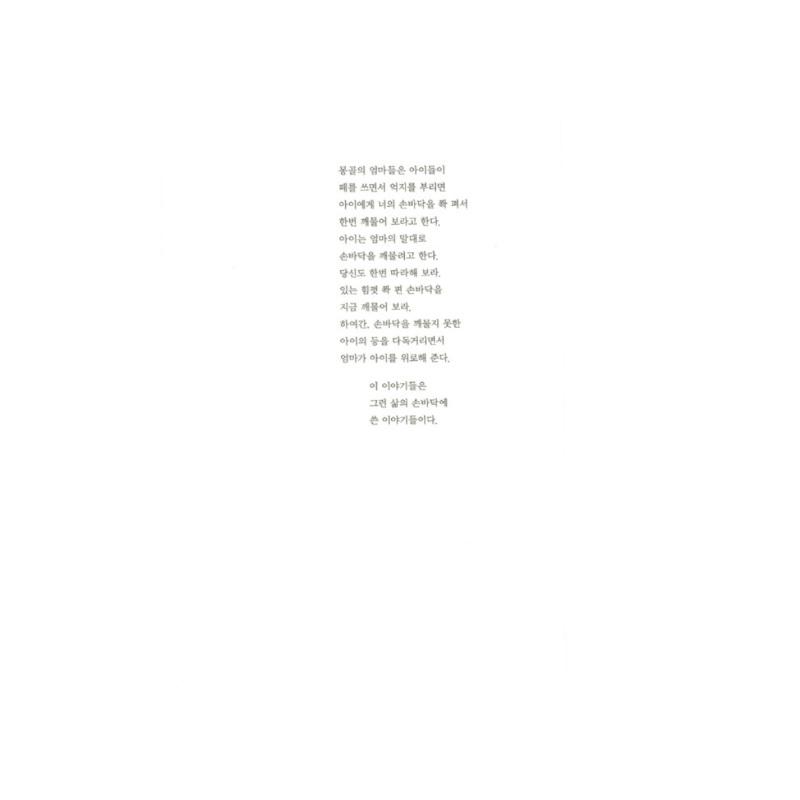
The artist recalls that he sometimes writes letters on his palm. Letters such as comfort, love, courage. From this habit, which has become a habit since childhood, his works were born. Now he's trying to get out of his palm and write something on people's palms. Kindness and humility in the palm of a violent hand, love and peace in the palm of a nuclear bomb... . The motivation for writing this novel is to become a “bridge and road” for people who live with despair. The works in the book soon overcome the limitations of length and present deep insights and long aftertaste about life. The title work 〈There are no bad people in the world〉 is a satirical work that looks into the world by changing the positions of people and pets. The works in the second part are stories in which the writer becomes a wizard and grants people's wishes. This is why the stories written in the ‘palm of life’ come with a warm and big resonance.
The writer redefines a novel as a small, simple story that can be written a little when the time comes. The writer who put the palm novel (掌篇小說) on track as a genre was Yasunari Kawabata of Japan, a Nobel Prize-winning writer in literature. Readers of this land, who live in an era of loss and despair, need a warm touch that heals their wounds even in literature. I have no doubt that this book will open a new field of our palm novel literature while meeting the needs of the times.