Why do I need to monitor my blood pressure at home?
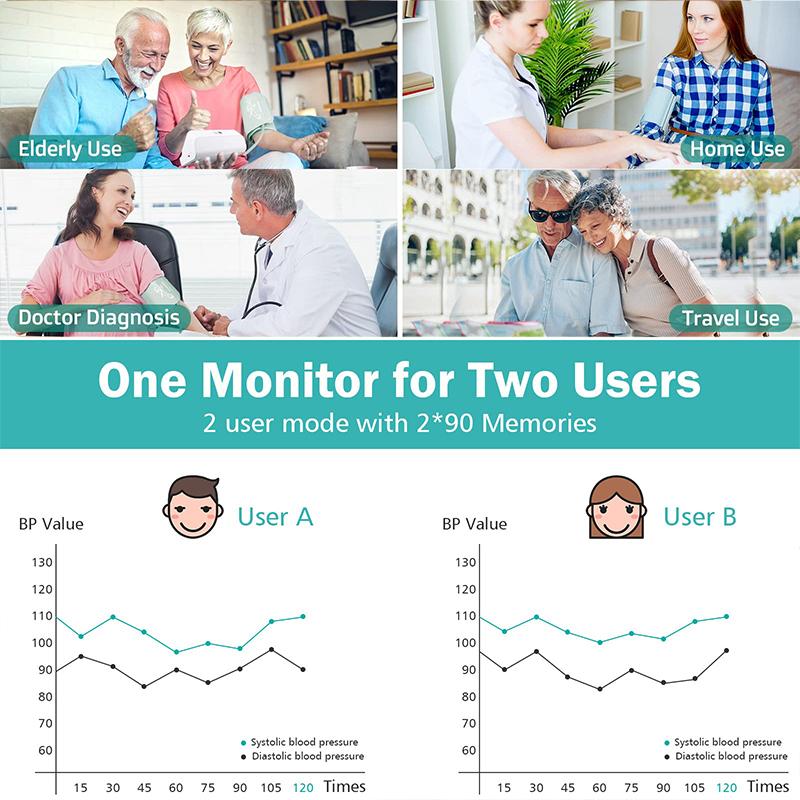
Checking your blood pressure at home is an important part of managing high blood pressure (hypertension). The American Heart Association (AHA) and other organizations recommend that anyone with high blood pressure monitor his or her blood pressure at home. Home monitoring can help you keep tabs on your blood pressure in a familiar setting, make certain your medication is working, and alert you and your doctor to potential health complications.
Monitoring your blood pressure at home can:
1. Help with early diagnosis. Self-monitoring can help your doctor diagnose high blood pressure earlier than if you have only occasional blood pressure readings in a medical office.
2. Help track your treatment. The only way to know whether your lifestyle changes or medications are working is to check your blood pressure regularly. Monitoring blood pressure changes at home can help you and your doctor make decisions about your treatment, such as adjusting dosages or changing medications.
3. Encourage better control. Self-monitoring can give you a stronger sense of responsibility for your health. You may feel even more motivated to control your blood pressure with an improved diet, physical activity and proper medication use.
4. Cut your health care costs. Self-monitoring might decrease your number of visits to your doctor or clinic.





 No-delivery refund