----------------------------------------------------------------------
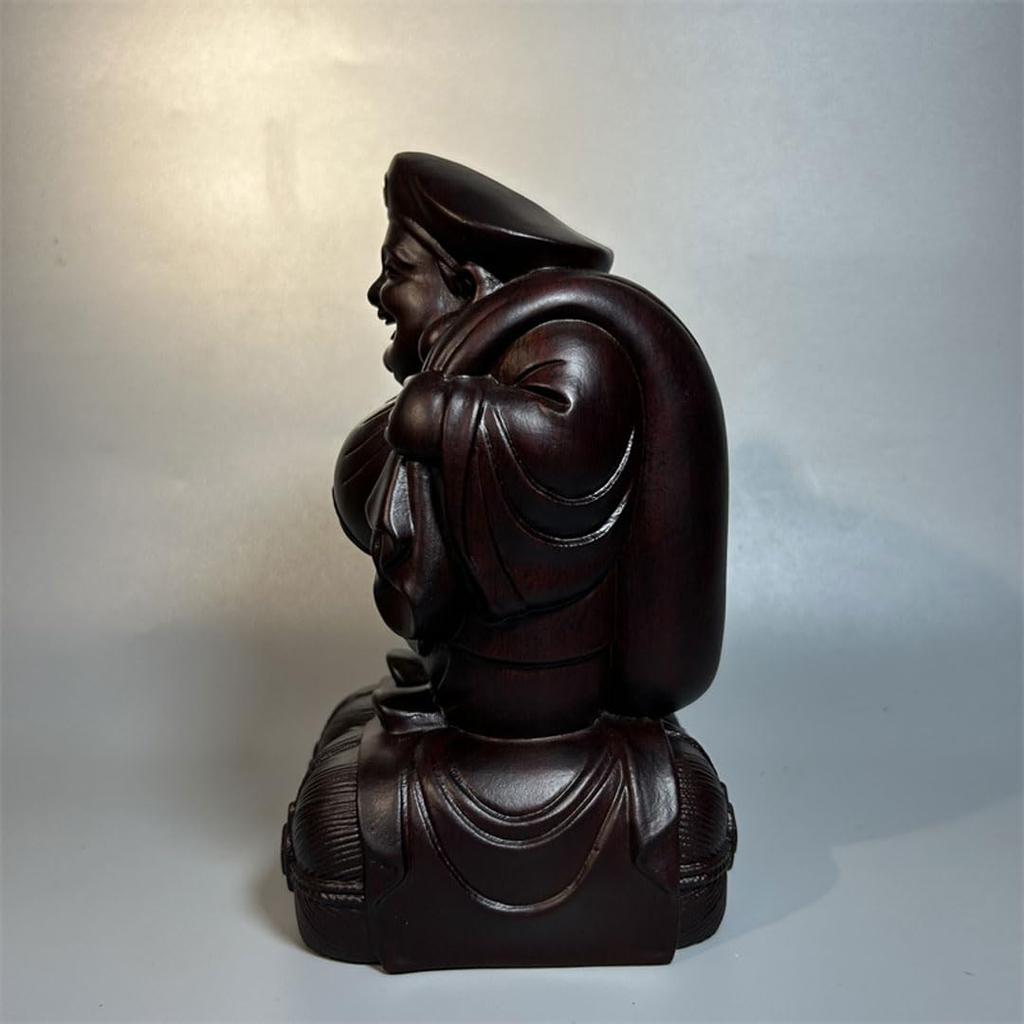
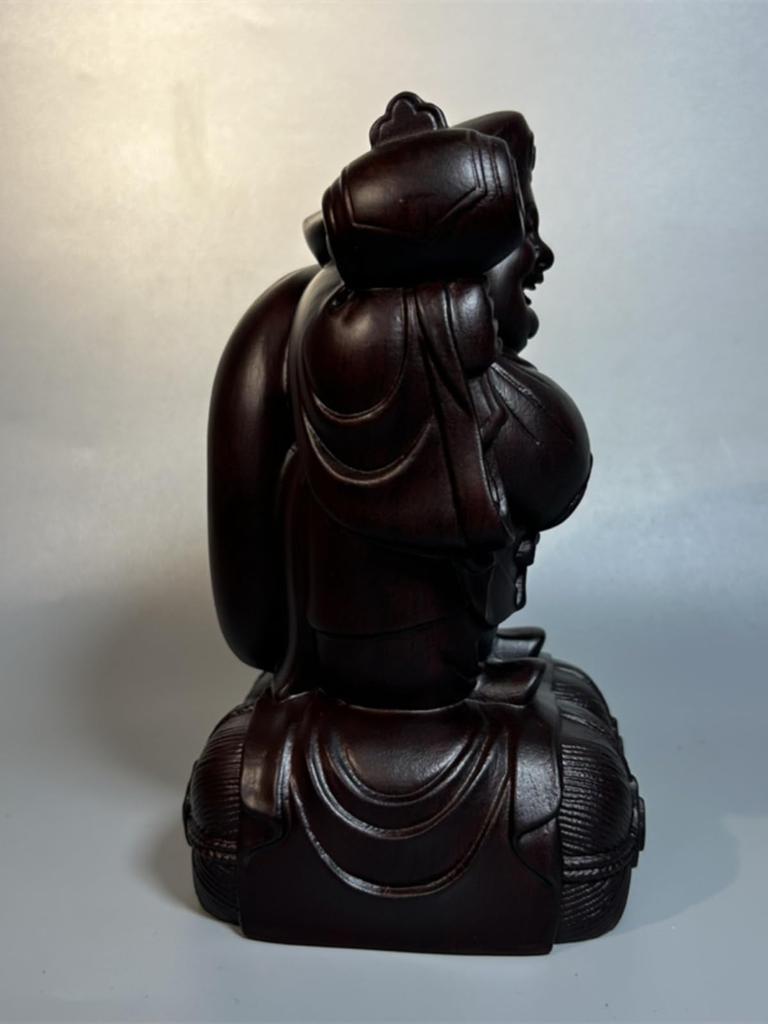
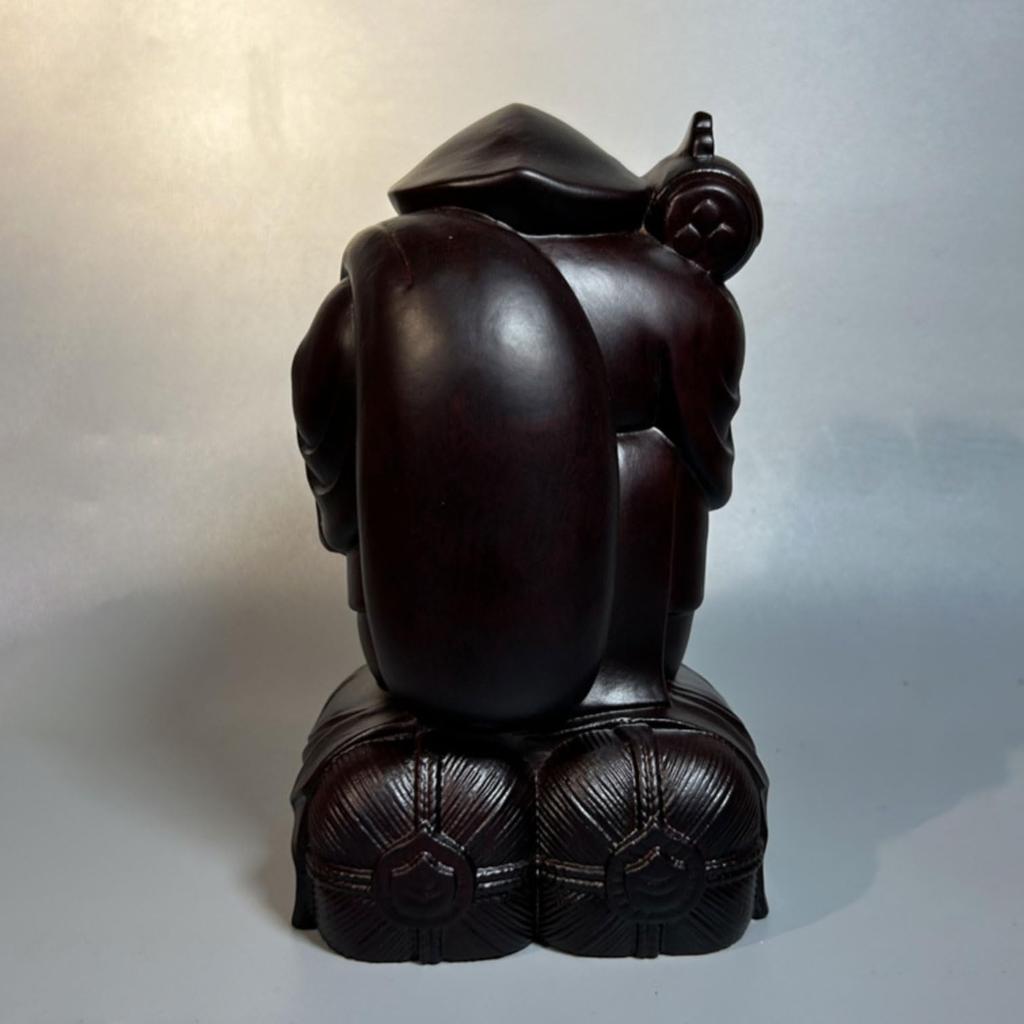
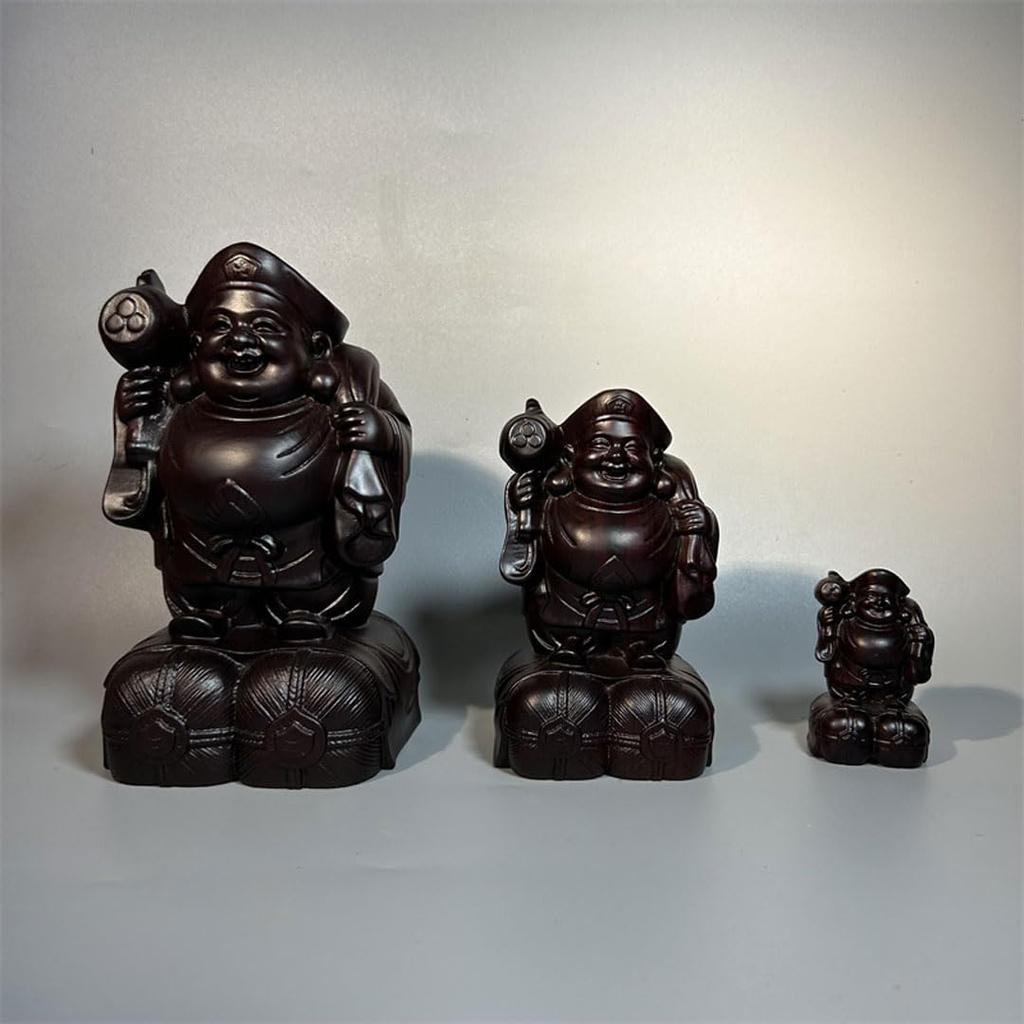
Material: Ebony
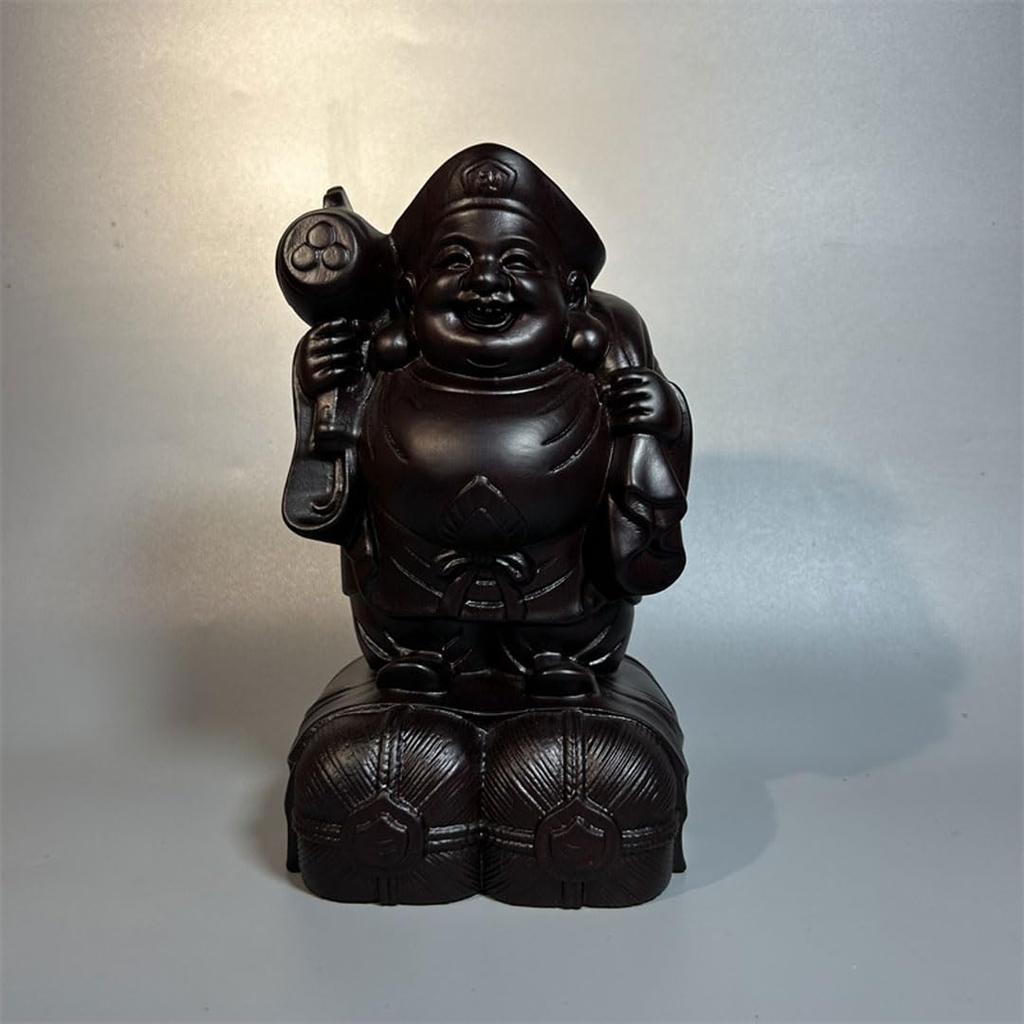
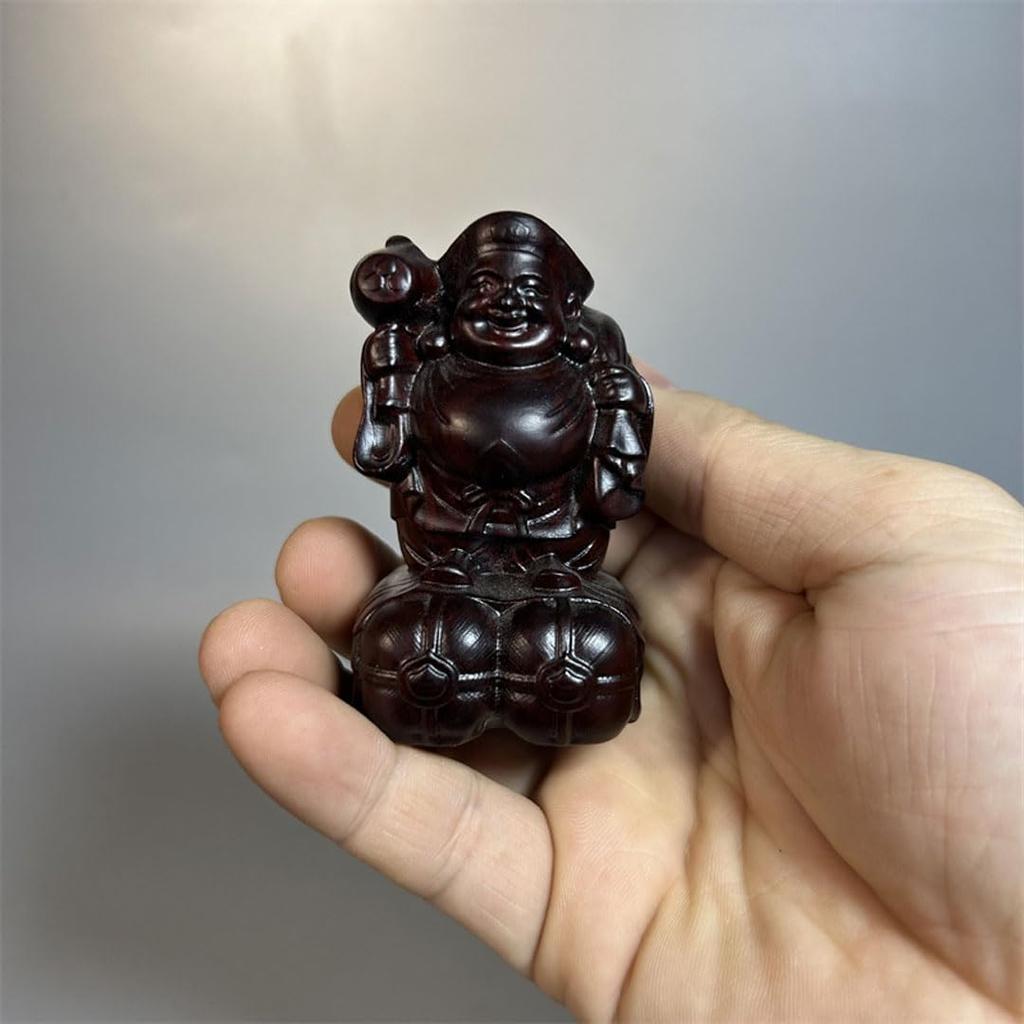
Ebony, one of the three most famous Karaki woods, is characterized by beautiful grain that stands out against a black background, and is a strong, hard wood with excellent durability. In recent years, it has been subject to excessive harvesting and its growth is slow, making it extremely rare and expensive.
Daikokuten is Mahakala, an incarnation of the Hindu god Shiva, and was originally the god of war. However, he gradually became known for his power to bring wealth, and wealthy merchants from all over the country made him their patron deity.
He is the god of good fortune and wealth who brings wealth, success, and prosperity.
Daikokuten is also associated with Okuninushi no Mikoto, and is counted as one of the Seven Lucky Gods as the god of bountiful harvests, and is widely worshipped by the general public. He is often worshipped together with Ebisu as the two gods of prosperity in business and good fortune.
Daikokuten is counted as one of the Seven Lucky Gods and is a god of good fortune and financial luck who brings wealth, career advancement, and prosperity, and is widely worshipped by the general public. The history of worship of the Seven Lucky Gods dates back to the Kamakura period, when worship of Ebisu (the guardian deity of fishing, labor, business, etc.), an ancient Japanese guardian deity, was joined by worship of Daikokuten (the god of abundant harvests and food and drink) and Benzaiten (the god of music, wisdom, eloquence, and wealth) from India via China. In the Muromachi period, as worship of these three gods deepened among the common people, four gods were added: Bishamonten (the path of human ethics and the guardian deity of Buddhism), Hotei (the god of fortune and good fortune such as fortune telling and family harmony), Fukurokuju (the god of good fortune, stability in life, and longevity), and Jurojin (the god of longevity and prolonged life), and they are said to have become symbols of worship as the Seven Lucky Gods who answer people's wishes. During the Edo period, pilgrimages to the Seven Lucky Gods became popular all over the country, in hopes of blessings and good fortune, such as business prosperity, good health, and the fulfillment of various wishes.


 No-delivery refund