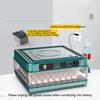
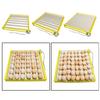
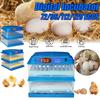
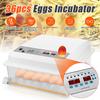
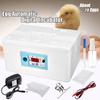
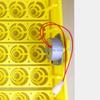
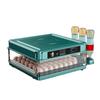
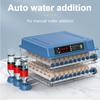
Features and Benefits:
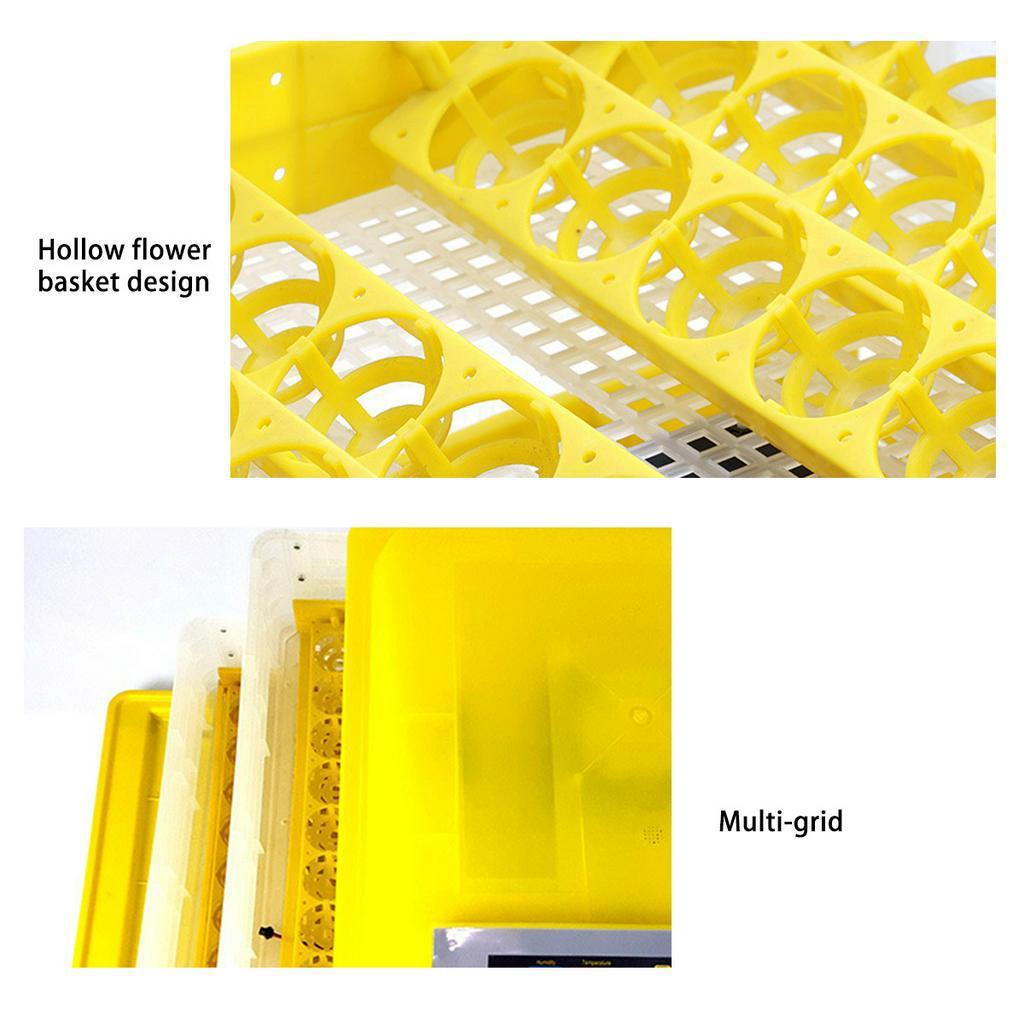
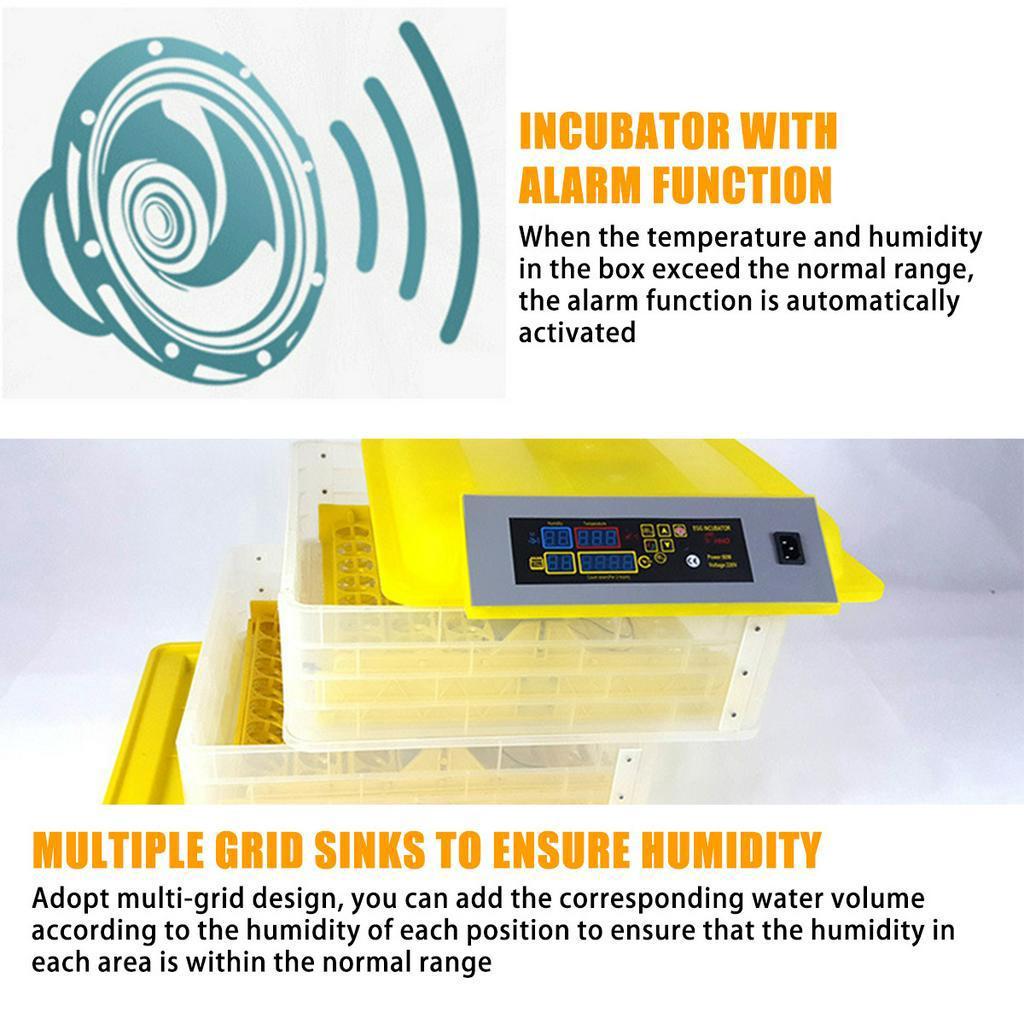
1. Has a humidification function, because a humidifier is added
2. Mixer: You can hatch eggs and hatch poultry through the incubator.
3. Transparent material: you can see the details of the incubation process
4. Customers can easily assemble the machine according to the instructions
5. Large hatching volume and small volume
7. You can use this egg incubator as scientific and educational material to teach your children or students.
Technical Specifications:
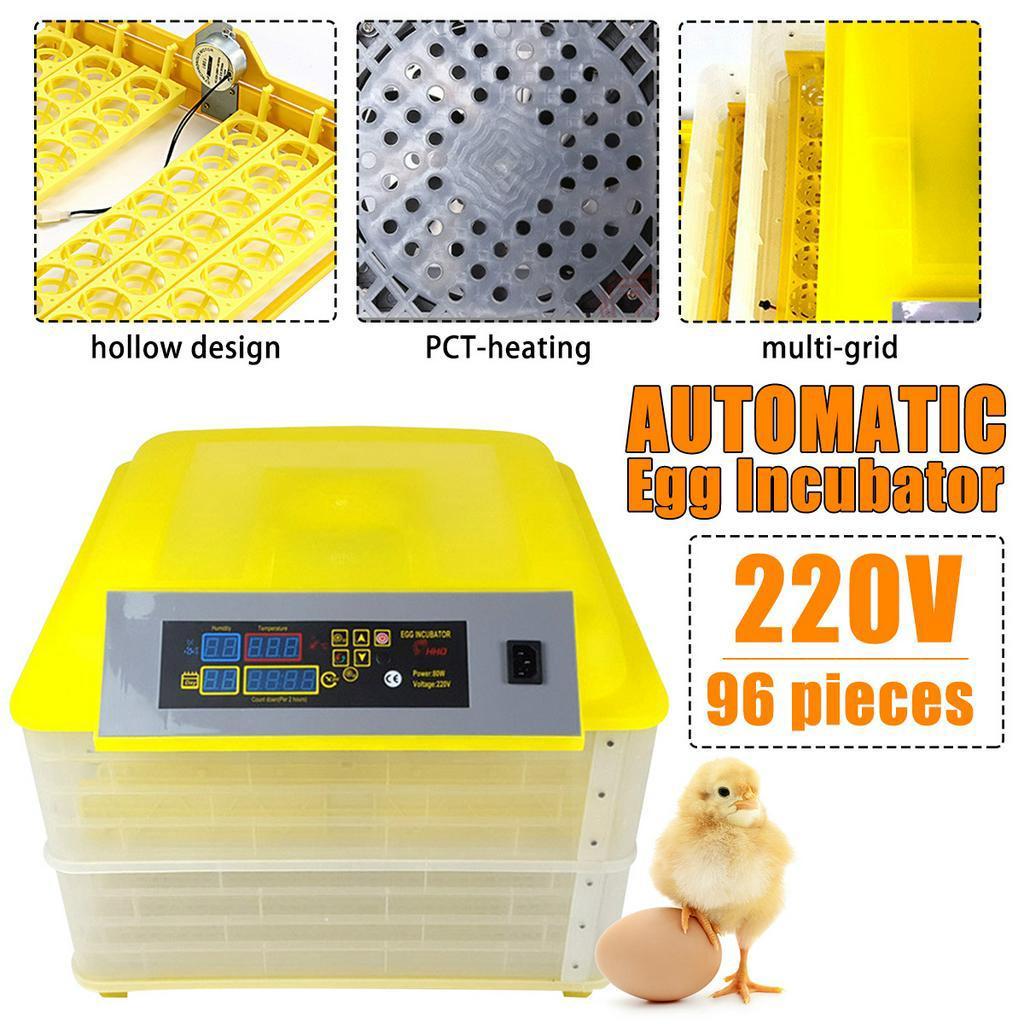
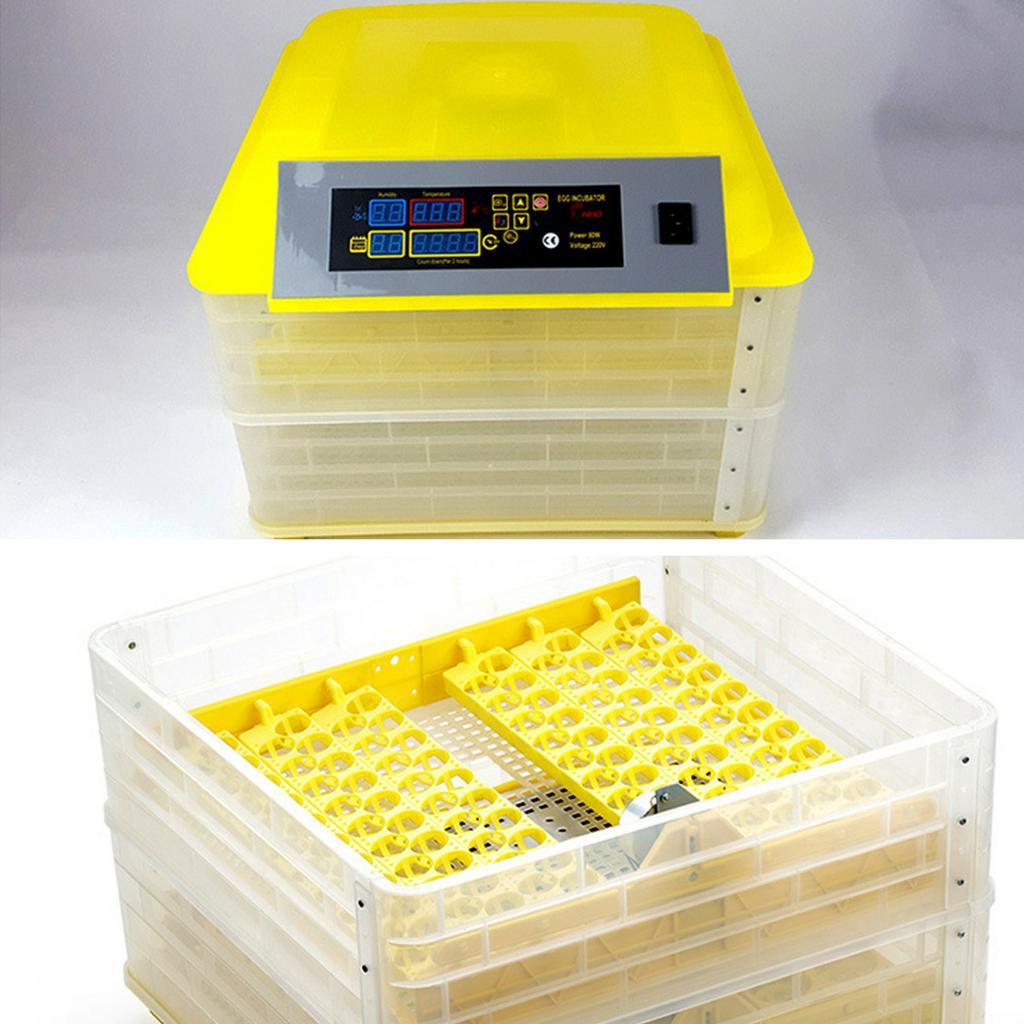
Capacity: 96 eggs
Size: 58x54x35cm
Voltage: 220V
Plug: AU
1. How do I store eggs?
If the egg passes through the column, it needs to stand for at least 24 hours. This will restore the airbag inside the egg to its normal size. When eggs are in ""storage"", they should always be stored with the pointed side down. It is a good habit to follow this, it will help your incubation!
If the eggs you receive get older, you can only leave them overnight.
2. When is my egg incubator ready to start hatching?
When you get the eggs, the incubator should have been running for at least 24 hours. A week is better. This gives you time to understand what is happening in the incubator and allows you to make any necessary adjustments before placing the eggs. A reliable way to ensure the destruction of hatched eggs is to place the eggs in an incubator without making appropriate adjustments.
Note the term ""internal"" temperature. Do not confuse the internal egg temperature with the internal egg incubator temperature. The temperature in the incubator will keep changing, rising and falling. The temperature inside the egg will be the average of the temperature fluctuations in the incubator.
3. What is the temperature and humidity in the incubator?
It's very simple, but the most important thing is hatching.
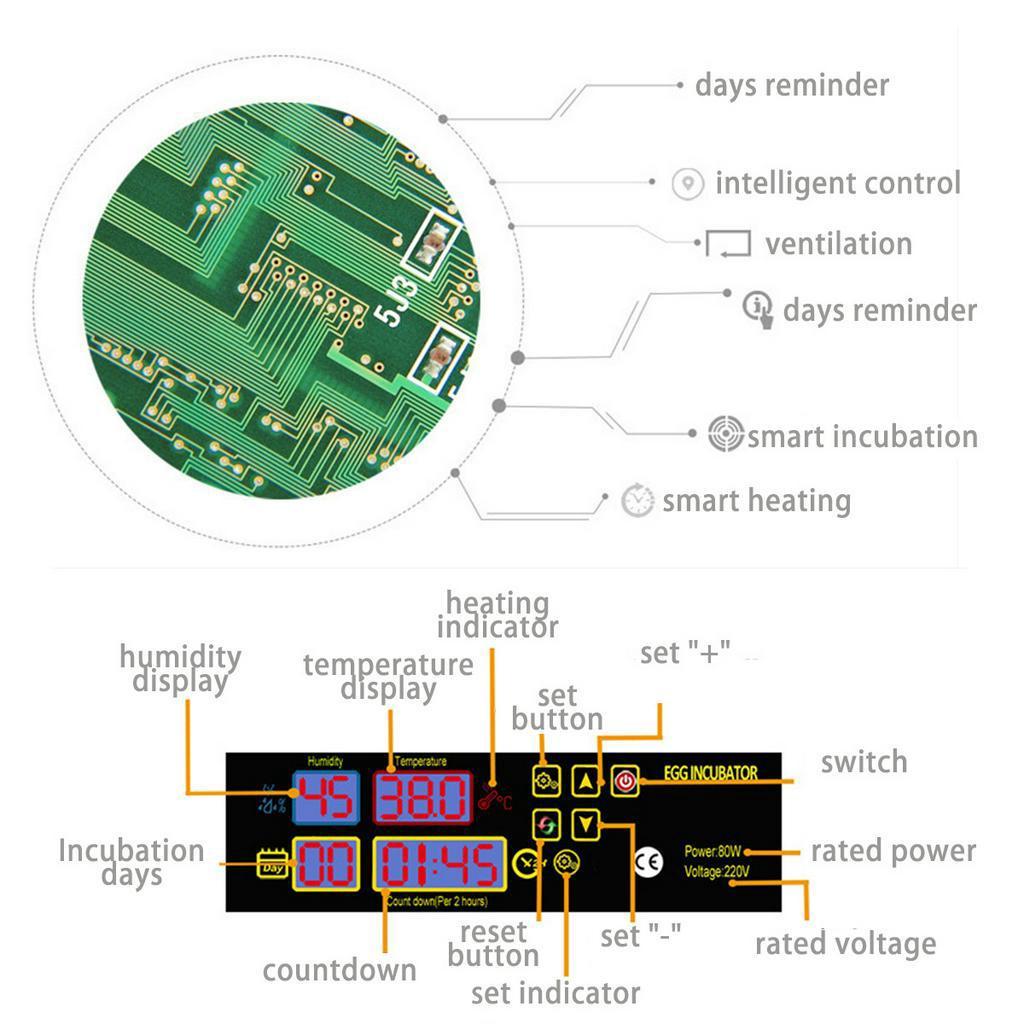
Fan forced incubator: The temperature measured anywhere in the egg incubator is 37.5 degrees Celsius.
Humidity: 55% in the first 18 days of the hatchery and 60-65% in the last 3 days.
4. Is my thermometer accurate?
The thermometer is broken. Even with a very good thermometer, maintaining temperature accuracy can be difficult. One advantage of running a large incubator for a long time is that you can adjust the temperature no matter what the thermometer tells you.
After the first hatch, you can increase or decrease the temperature as indicated by the hatch. If they hatch early, the temperature needs to be lowered. If the hatching is late, the temperature needs to be increased.
You can check the thermometer this way. Write down everything you do during the incubation period. As you study, these notes will be reviewed. They will be the most valuable tools you can have. Soon after you can say ""I know what happened, all I have to do is change this little thing"". Soon, you will be able to make adjustments by knowing what to do instead of guessing.
5. How to check the humidity?
The humidity is checked by a hygrometer (wet bulb thermometer) and a conventional ""dry bulb"" thermometer. The hygro




 No-delivery refund