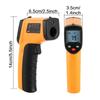
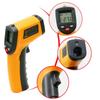
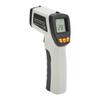
Feature:
1. Indoor Temperature Detection: It can be used to detect the temperature of air supply outlet and return air outlet in heating ventilating field, detect the indoor air temperature, and ensure the normal operation of air conditioning.
2. Moving Object Measurement: It is also used to measure the temperature of moving, electrified and hard to touch objects, which can avoid cross contamination and object damage of food, chemical materials and medicine measurement.
3. Diverse Features: Light weight, small size, easy to carry, ergonomic principles, laser indicator can be easy to target.
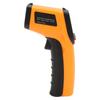
4. Infrared Thermometer: The infrared thermometer can measure the temperature at far distance from the object to be measured, and the thermometer will not have any damage to the object to be measured.
5. Common Temperature Measuring Tool: In electric power, chemical, coal, boiler, pharmaceutical and other industries are commonly used temperature measuring tools.
Specification:
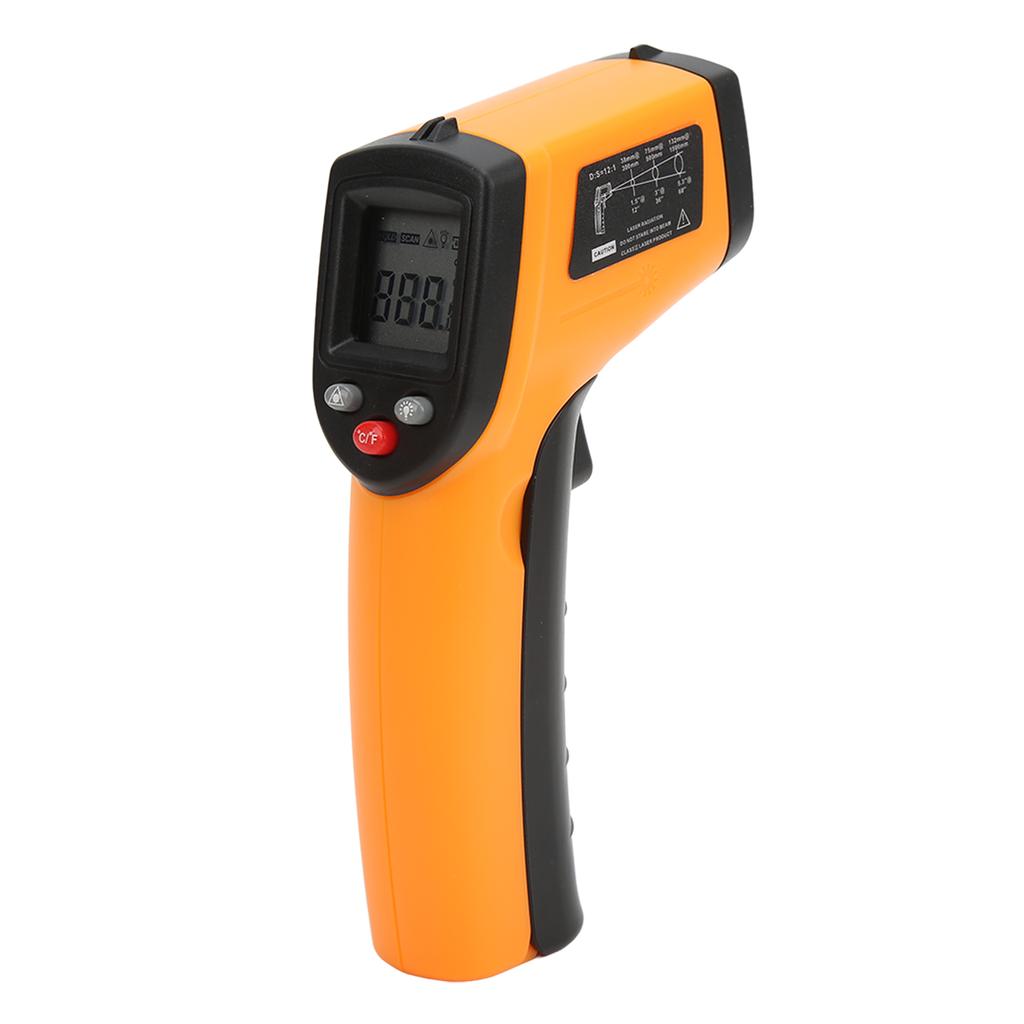
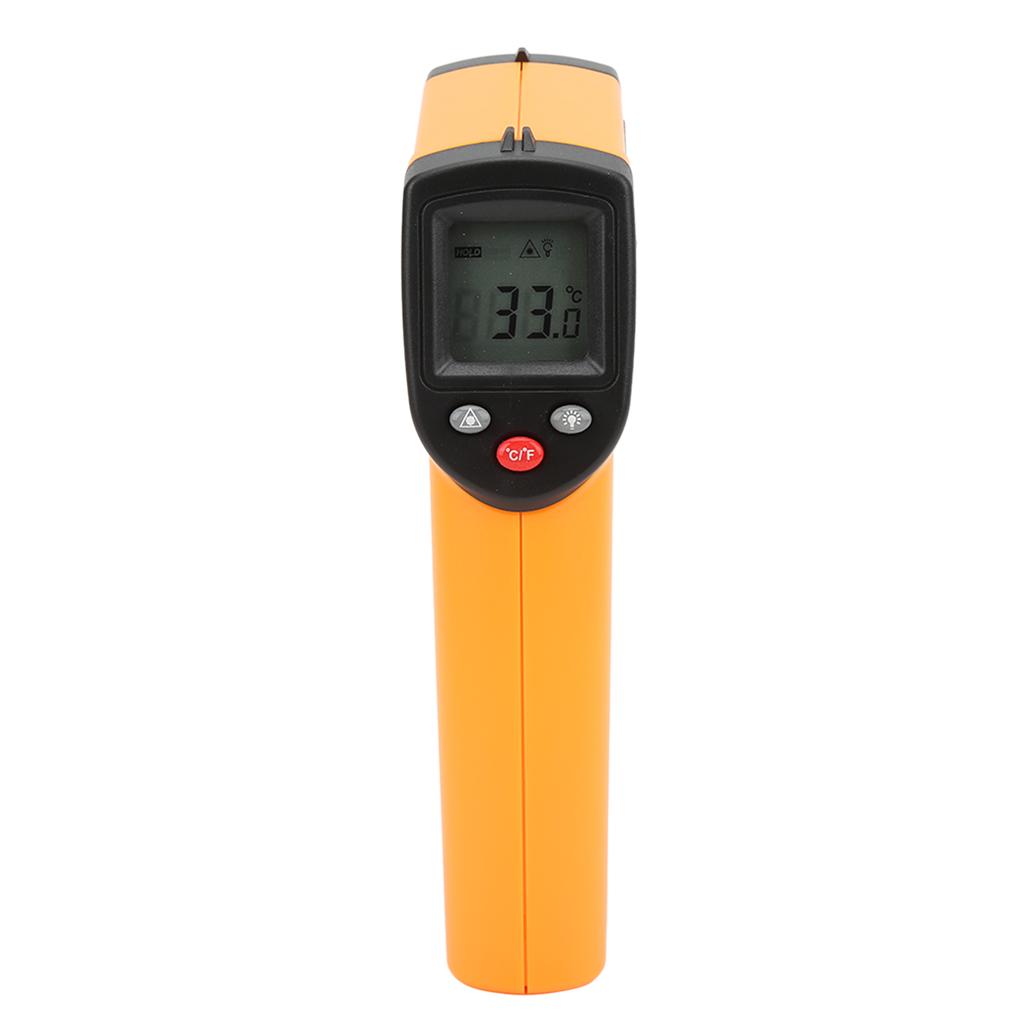
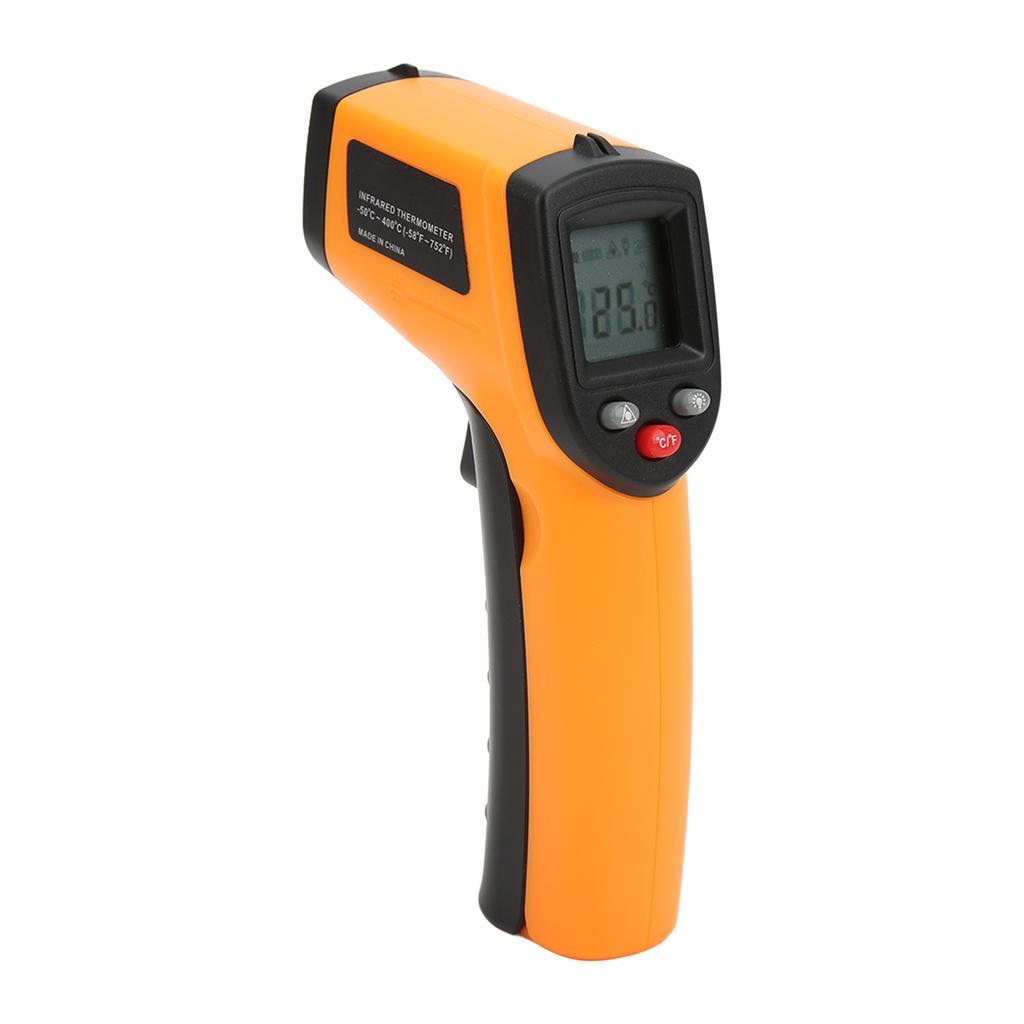
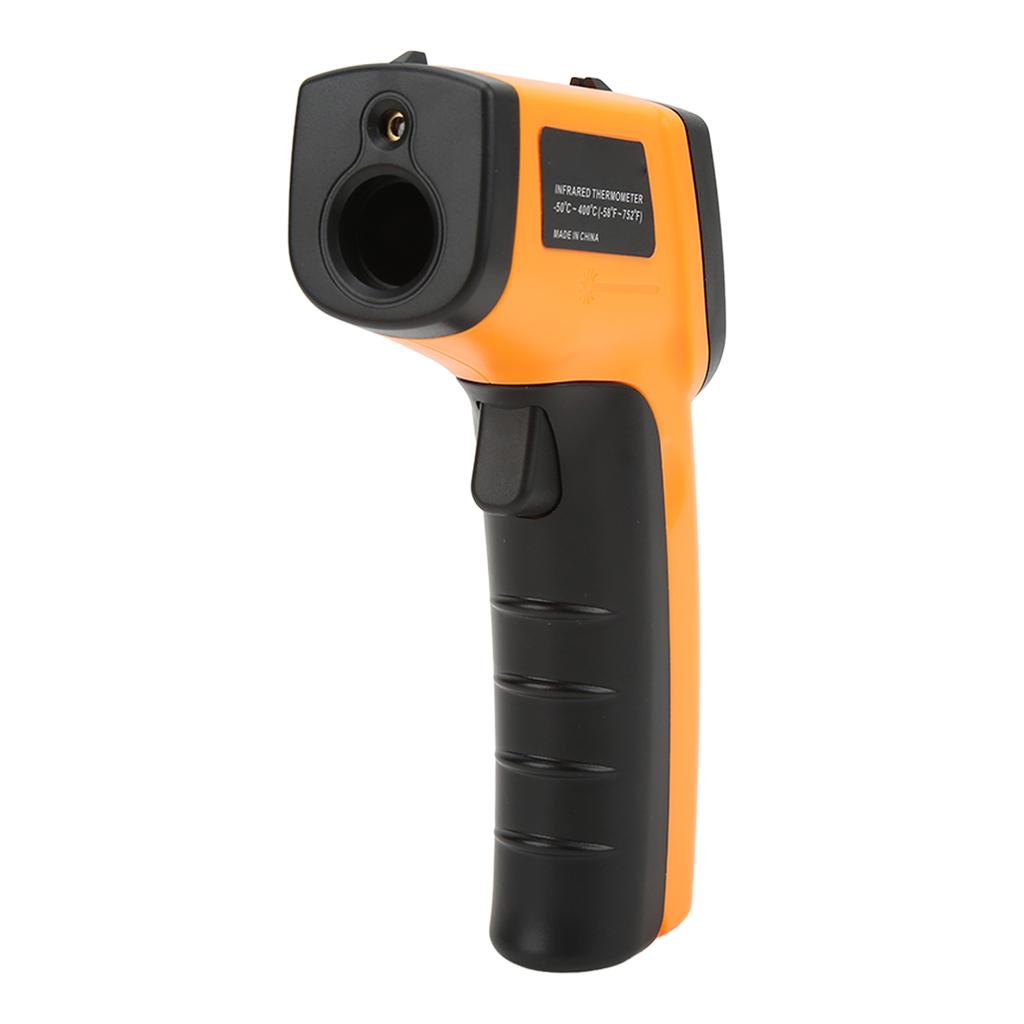
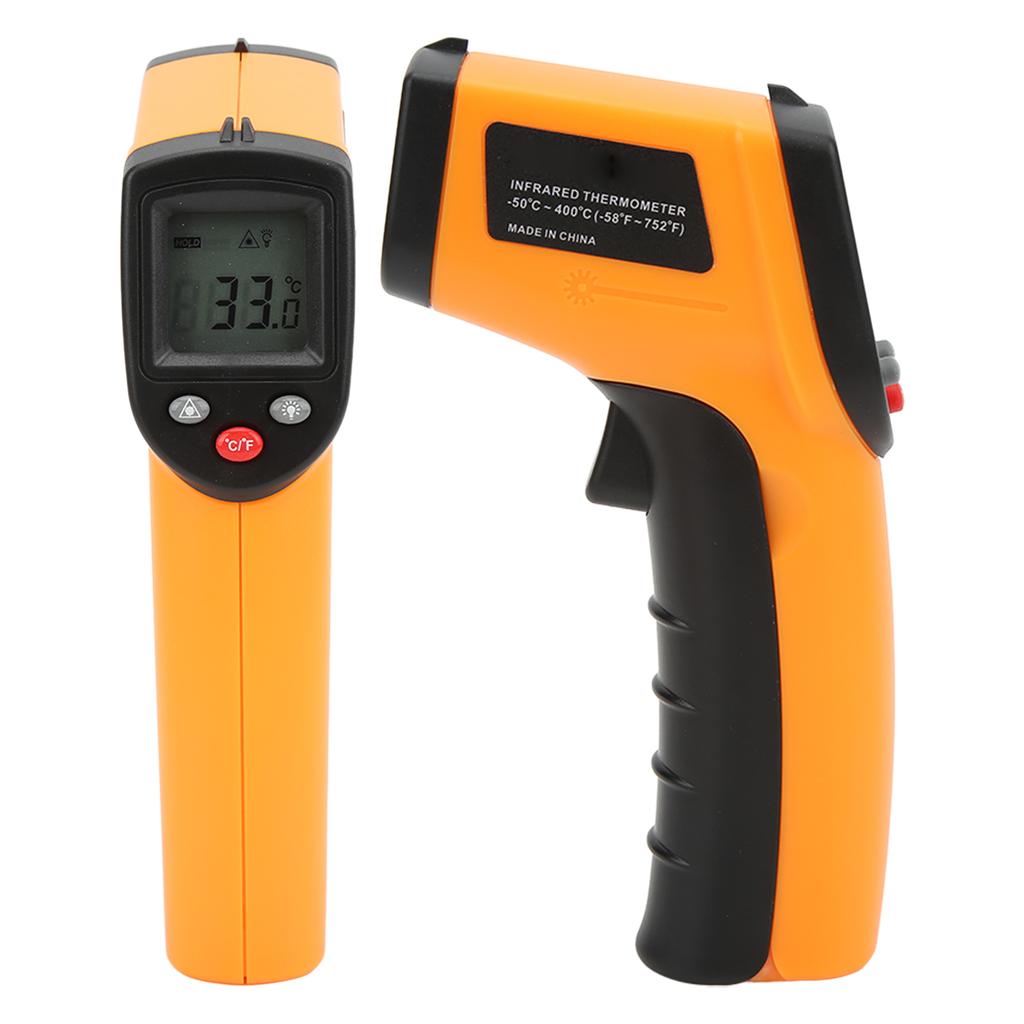
Item Type: Infrared Thermometer
Model: XRCLIF 320
Material: ABS.
Battery: 2pcs 1.5V AAA (Battery Not Included)
Purpose: In Electric Power, Chemical, Coal, Boiler, Pharmaceutical And Other Industries Are Commonly Used Temperature Measuring Tools.Temperature Range: 50 400 celsius ( 58 752 Fahrenheit )
Accurate Value: 0 400 celsius (32 752 Fahrenheit ), + 1.5 celsius (+ 2.7 Fahrenheit )
50 celsius 0 celsius ( 58 32 Fahrenheit ) , + 3 celsius ( 5 Fahrenheit )
Resolution: 0.1 celsius Or 0.1 Fahrenheit
Repeatability: 1percent Reading Or 1 celsius
Response Time: 500m s, 95percent Preset
Photovoltaic Response: 5 14um
Emissivity: 0.10 1.00 (0.95 Adjustable)
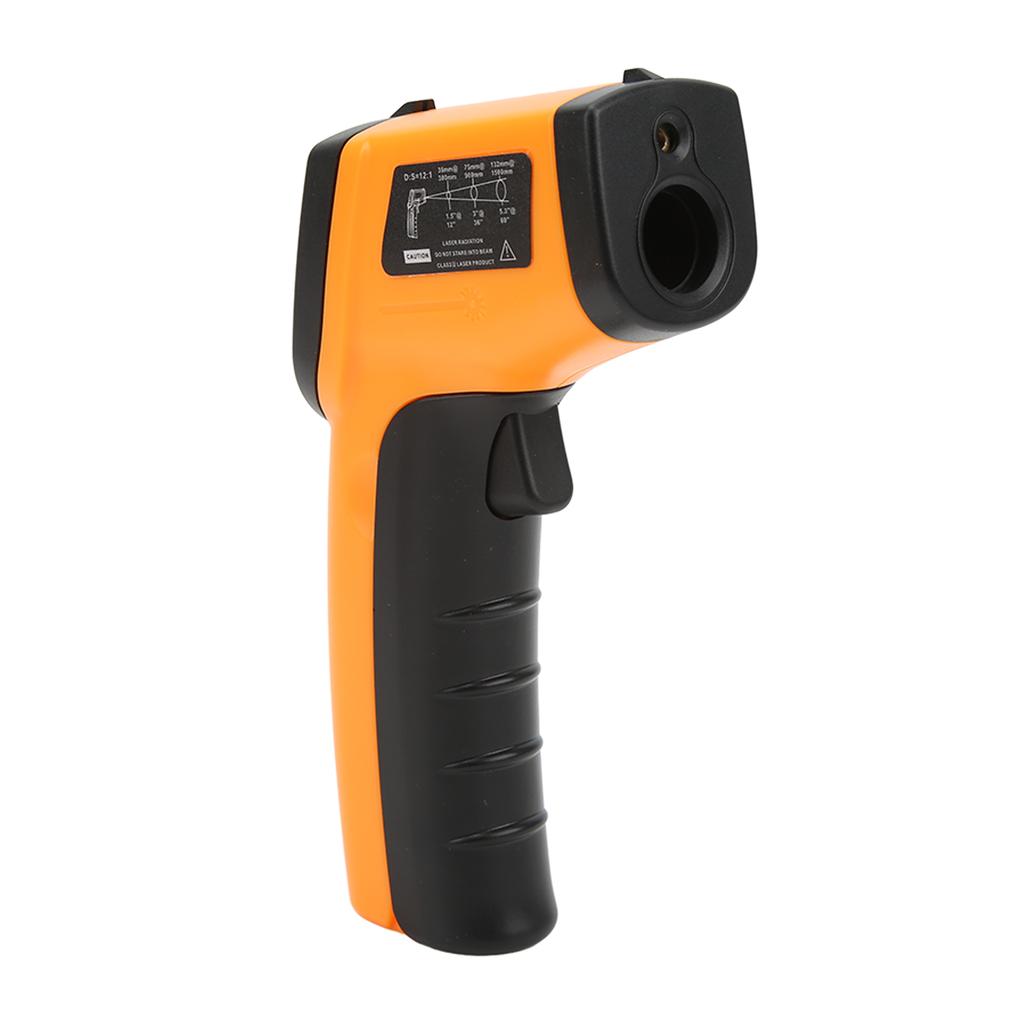
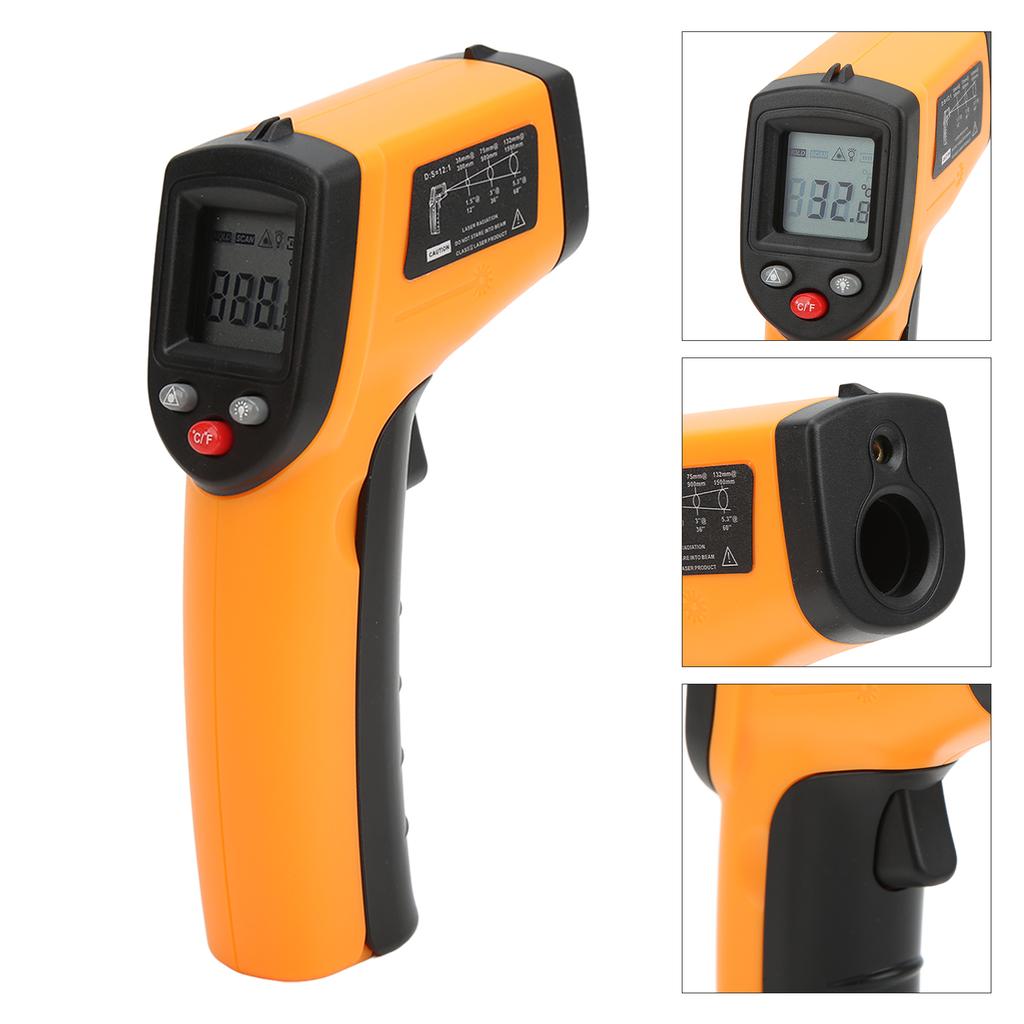
Distance Ratio: 12:1
Operating Temperature: 0 40 celsius (32 104 Fahrenheit )
Operating Humidity: 10 95percent RH Non Condensing 30 celsius (86 Fahrenheit )
Storage Temperature: 20 60 celsius ( 4 140 Fahrenheit ).
Package List:
1 x Infrared Thermometer(Battery Not Included)1 x Manual
Note:
1. Please do not aim the laser at the eye or directly through the reflective surface when using this machine.2. The instrument should not be measured through transparent surfaces such as glass, plastic, etc., otherwise the measured value of the instrument will be the surface temperature of transparent objects. 3. Steam, dust, smoke, or other particles may interfere with the lens of the instrument, affecting the accuracy of the measurement.


 No-delivery refund