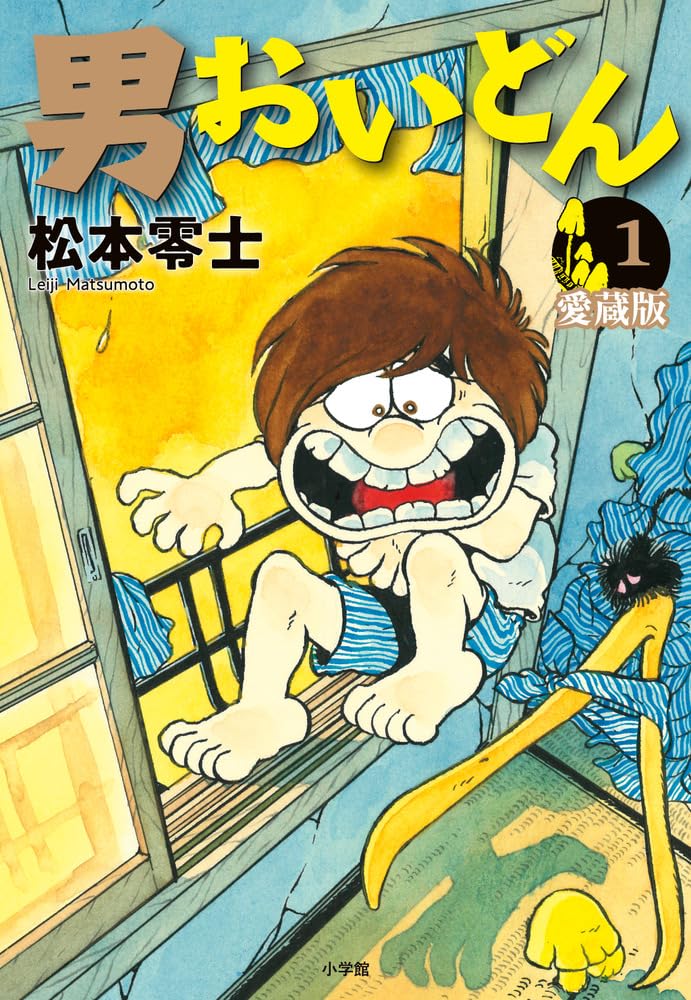
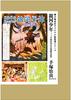
A masterpiece of a four-and-a-half-tatami room manga! Oidon returns in the Reiwa era!
Oyama Shota moved to Tokyo alone from Kyushu.
He lived in a four-and-a-half-tatami room in a dilapidated boarding house, working while
attending night school at high school.
However, he made a mistake at work, causing damage to the company and getting fired.
He lost his income.
Unable to pay tuition, Shota couldn't attend high school,
and couldn't even eat properly every day.
He was determined to work hard, but he kept failing.
Even though he didn't have money, Shota believed he should never abandon his pride as a man or give up on his dreams.
He lived an honest, albeit clumsy, life.
The people around him warmly watched over and supported him.
The lady at the boarding house never asked for his rent, and sometimes even treated him to meals and egg liquor.
The owner of the Chinese restaurant "Benrakuen" would feed him on credit when he was in trouble, occasionally letting him help out at the restaurant and providing living expenses.
Classmates from his night school days and colleagues from his factory days would also visit Shota's boarding house from time to time to support him.
The 1970s was a time of rapid economic growth in Japan.
Shota's determination to live a tough life despite his poverty, believing in his own potential and future, resonated with many young people, and this work became a smash hit that changed Leiji Matsumoto's career as a manga artist.
This work won the 3rd Kodansha Publishing Culture Award in the Children's Manga category.
[Recommendation from the Editor]
Matsumoto's nearly 700 works can be roughly categorized into four genres:
- The "Shojo Manga and Animal Manga Series" he drew when he first debuted.
- The "Battlefield Manga Series" with a war-themed theme.
- The "Sci-Fi Series" set in space, which has become his trademark.
- The "4.5 Tatami Room Series" was popular with young people dreaming of the future.
When reading past interviews with Matsumoto, he often mentions the "4.5 Tatami Rooms." He has said that the success of this genre "allowed him to call himself a manga artist," so it could be said that this work marked a turning point in his life.
Around 1969, Matsumoto had moved away from shoujo manga and began to shift his focus to seinen and shonen manga. He mainly drew science fiction manga.
When one series was coming to an end, he suggested the 4.5 Tatami Room series during a meeting to discuss his next project. Matsumoto had this to say about choosing the 4.5 Tatami Room genre:
"Looking back on my youth and thinking about the friends I spent time with, I felt that 'no matter what kind of youth you have, there's nothing to be ashamed of.'"
He candidly portrayed jock itch, which he himself suffered from (lol), and by portraying young people as they really were, he encouraged many young people by saying, "Living a poor life is not shameful. There's no shame in not being popular with women. Worries are a good experience. Setbacks are also good experiences. None of that is anything to be ashamed of."
From the perspective of today's young people, the world of "Otoko Oidon" is no longer a thing of the past.


 No-delivery refund




![Complete Reprint of Yokai Everything Beginner ([Variety])](https://img.joomcdn.net/c74a11dc32a7d662d8e0f676d110708e7b275e7c_78_100.jpeg)






![[Bold Large Print Book] Zenigata Heiji Detective Records 1: Love Wife Oshizu](https://img.joomcdn.net/392adb34cbed683d3031b5f9fd3a41bdff7fec5d_70_100.jpeg)