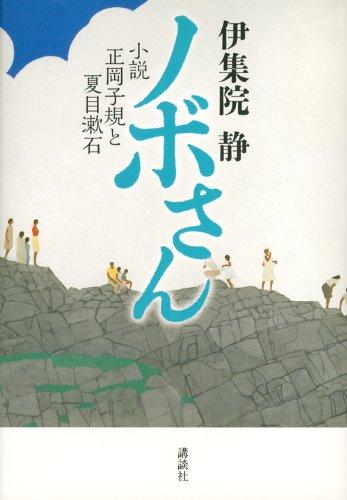
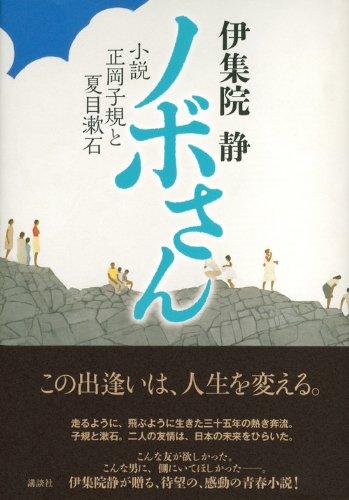
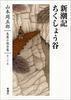
Winner of the 18th Shiba Ryotaro Prize! With the dynamism of a new era, Masaoka Shiki, also known as Nobo-san, turned 20. A baseball-obsessed young man, he became fascinated with all forms of expression, including haiku, tanka, novels, and essays, and would eventually have a profound influence on Japanese literature. That same year, he had a fateful encounter with Natsume Soseki, also known as Kinnosuke, at the University of Tokyo Preparatory School. The two talked about life, dreams, and love. Their relationship continued until Shiki's final days in 1902. The author's lifelong coming-of-age novel is born!
Winner of the 18th Shiba Ryotaro Prize!
Quietly, passionately, and desperately. Shiki and Soseki. Without this encounter, "Our Novel" would never have been born.
"Nobo-san, Nobo-san" "Nanzo Na Moshi"
It was the 20th year of the Meiji era. With the dynamism of a new era, Masaoka Shiki, also known as Nobo-san, turned 20.
A baseball-obsessed young man from America, Shiki became fascinated with all forms of expression, including haiku, tanka, novels, and essays, and would eventually have a profound influence on Japanese literature.
Shiki was always surrounded by people. He was loved by his friends, teachers, and family, and Shiki in turn adored them.
It was also that same year that he had a fateful encounter at the preparatory school for the University of Tokyo: Natsume Soseki, also known as Kinnosuke, another cornerstone of Japanese literature.
Sharing the same aspirations, Shiki and Soseki talked about life, dreams, and love. Their much-admired relationship continued until Shiki's final days in 1902.
Centered around the friendship between Shiki and Soseki, this story depicts the life of Novo, a man who never stopped pursuing his dreams.
Even before his debut, novelist Ijuin Shizuka had been mulling over the youth of his idol, Masaoka Shiki.
The image of a young man fascinated by baseball and literature was the very essence of Ijuin Shizuka's youth.
Throughout his 30-year career as a writer, he had always longed and wanted to write. If he hadn't written, he wouldn't have been able to move forward.


 No-delivery refund


![Because the Two People In Peace [Japanese Edition]](https://img.joomcdn.net/ed947548dbabd13c55e4a121e2ef6caadf7e23df_70_100.jpeg)
![Toshiyuki Inoue's "Thinking About Effects [Water Edition]" (Series)](https://img.joomcdn.net/6283c0ac94ae1b28b1ba7a642c476536fe1e358d_70_100.jpeg)
![[Bold Large Print Book] Little Kobe-chan: Family Love Edition (Short Story Collection by Shugoro Yamamoto)](https://img.joomcdn.net/14a5e1655f50b558e404504a05584b7458308e9f_70_100.jpeg)

![[Bold Large Print Book] Yanagibashi Monogatari: Read Shugoro Yamamoto's Works In One Go Without Wearing Glasses](https://img.joomcdn.net/ffcde987c7378df47743c04b3f8e4a24a977c992_70_100.jpeg)