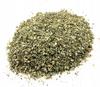
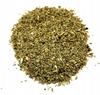
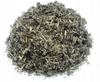
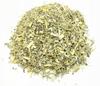
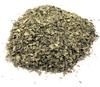
Sage has been a kitchen and herbal staple across Europe for centuries, and this cut leaf form brings its characteristic grey-green colour and resinous, slightly peppery aroma straight to the jar. At one kilogram, it is a working quantity suited to regular use.
Botanical character
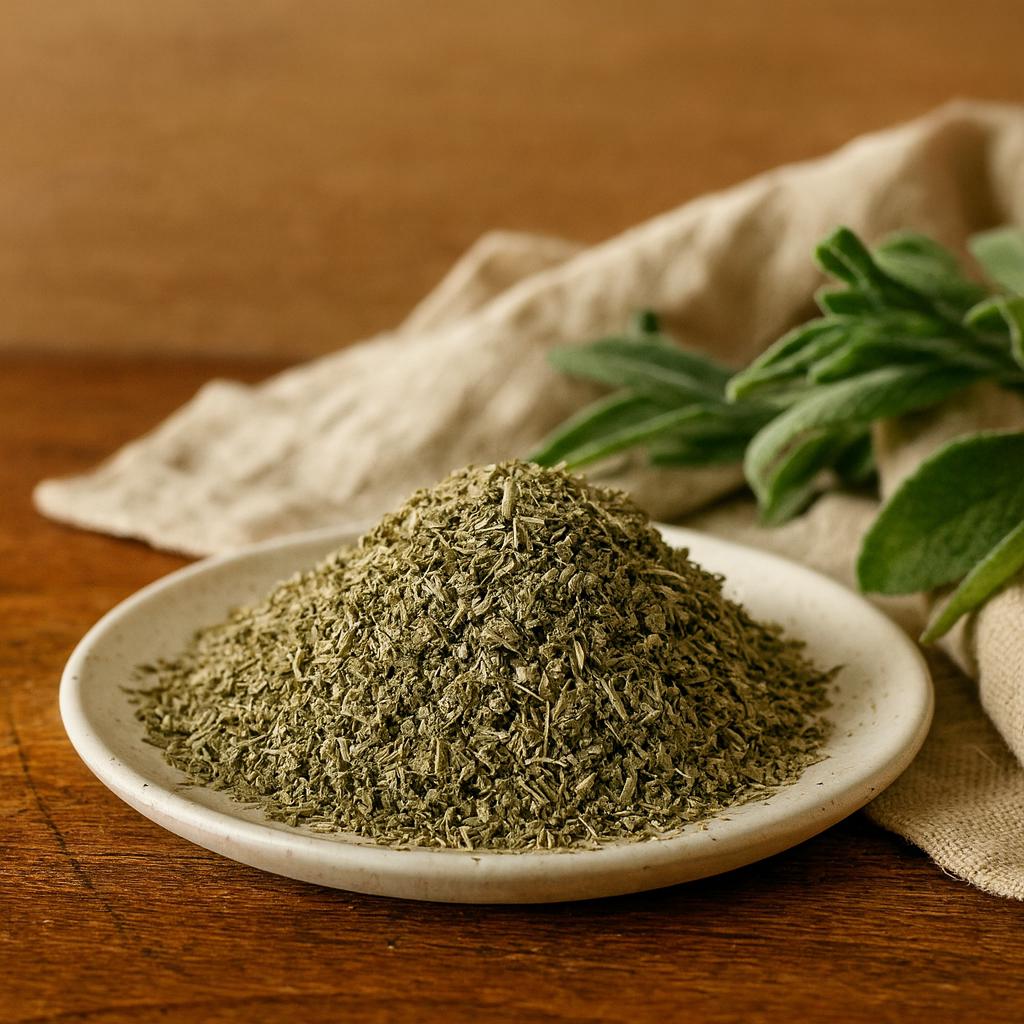
Common sage, Salvia officinalis, is a woody perennial cultivated across central and northern Europe for generations. The name Salvia comes from the Latin salvere, meaning to be well or to save, a reflection of how widely the plant was valued in monastery gardens and medieval apothecaries long before it became a culinary fixture. The cut leaf form preserves the volatile oils that give sage its warm, slightly camphorous scent, releasing them fully when the leaf is crushed, heated in fat, or steeped in hot water.
In the kitchen and the cup
Sage is a cornerstone of Italian and Central European cooking, classic in brown butter sauces, stuffings, pork and game dishes, and the seasoning of cured meats.
In Polish and broader Central European tradition, it appears in broths, bean soups, and alongside root vegetables, where its resinous note cuts through richness.
As a tisane, dried sage leaf is steeped alone or blended with other botanicals; the flavour is earthy and slightly bitter, less sharp than rosemary, with a lingering warmth.
The cut form disperses evenly through a blend or infusion, making it easier to measure and mix than whole leaves.
Heating sage in oil or butter before adding other ingredients is a traditional technique that draws out its aromatic oils and softens the bitterness.
Quality and quantity
This is a full kilogram of cut dried sage leaf, a bulk quantity suited to regular home cooking, herbal blending, or stocking a small food business. Dried sage holds its character well when stored correctly; keep it in a sealed container away from direct light and heat. Avoid storing near a steamy hob, as moisture is the main enemy of dried leaf quality.
Grown in Poland
…
region of manufacture: Poland
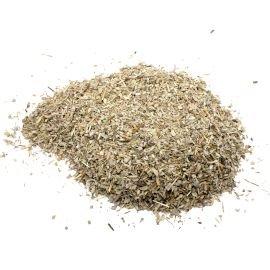
ingredient: Flowers


 No-delivery refund