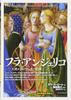
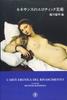
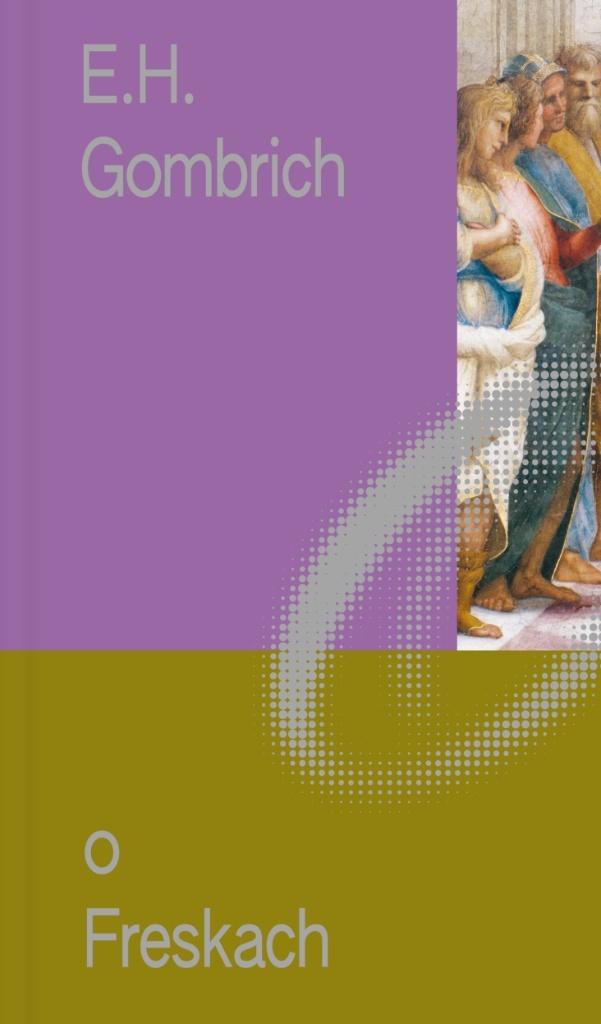
An interpretation of the history of mural painting from ancient Egypt to the 20th century by one of the most distinguished art historians of all time, who exerted a profound influence on other specialists and amassed a vast readership. This timeless essay by E.H. Gombrich—one of the most influential art historians of the last century—explores the relationships between ends, means, form, and function in art and offers a stimulating interpretation of the history of mural painting from ancient Egypt to the ancient 20th century. Taking as its starting point Leonardo da Vinci's polemic against contemporary mural painters, Gombrich illustrates the dual process by which the changing purposes of art—whether ritual, didactic, narrative, or decorative—can lead to the development of new means, which, in turn, can influence the purposes for which painting is used. E.H. Gombrich (1909-2001) was born in Vienna and studied art history there. In 1936, he emigrated to London and joined the Warburg Institute as a research assistant. From 1959 to 1976, he served as the Institute's director. He was also a professor at the University of London, a member of the British Academy, and the author of bestselling publications. He was knighted, awarded the Order of Merit, and received the Balzan, Erasmus, Goethe, and Hegel Prizes. This distinguished scholar, known for his works on Renaissance art and the psychology of perception, also had a gift for narrating art history in an accessible and captivating way. Among other works, he wrote On Art (1950), which was translated into 23 languages. Originally intended for younger readers, it sold millions of copies. He also wrote Art and Illusion (1960), The Sense of Order (1979), and, recently republished in Poland, A Short History of the World.


 No-delivery refund