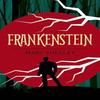
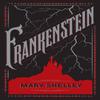
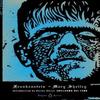
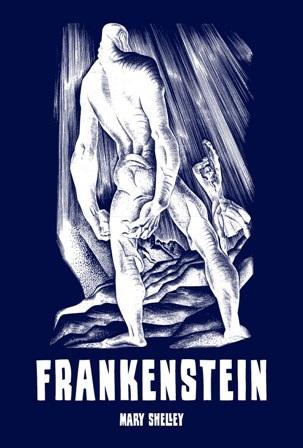
Mary Shelley (1797-1851): daughter of the writer and political philosopher William Godwin and the feminist journalist Mary Wollstonecraft. A child prodigy, erudite, and passionate about natural science. Partner, then wife, of the Romantic poet Percy Bysshe Shelley. Vegetarian, anarchist, traveler, novelist, and mother. She wrote Frankenstein, one of the most famous novels of all time, at the age of 19. Frankenstein is more than a novel; it is a modern myth. It was born in circumstances that have become legendary: in 1816, the famous "Year Without Summer," at the foot of the Swiss Alps, from a Gothic revelry of Romantic poets who whiled away rainy evenings inventing incredible tales. In it, Mary Shelley encapsulated her reflections on the essence of life, her experience of early motherhood, her fascination and terror with the power of science, and her nightmares, both in and out of dreams. This edition of Frankenstein is unique: Mary Shelley's novel is published in Polish for the first time in its original version, without the author's subsequent changes. Frankenstein is also accompanied for the first time by the entire aftermath of the famous literary feast on the Leman River: the novellas "The Funeral of George Gordon Byron" and "The Vampire" by John W. Polidori, and Percy Shelley's fantastic tales—all in a new, faithful translation. The volume is adorned with some of the most beautiful illustrations ever for Frankenstein: expressionistic woodcuts by American artist Lynd Ward. English sailor Robert Walton is stranded in the Arctic ice. One day, an exhausted castaway arrives on his ship on a sleigh: the Swiss naturalist Victor Frankenstein. When he regains his strength, he begins the incredible story of the greatest and most terrible creation of his life: a human being created in a laboratory that turned against him.


 No-delivery refund