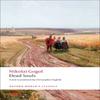
Nikolai Gogol (1809-52) – Russian writer, poet, playwright, author of, among others, the novel "Dead Souls" and a series of St. Petersburg short stories (including "The Diary of a Madman" and "The Nose"). However, it was his dramas that brought him perhaps his greatest fame, especially "The Marriage" and, above all, "The Government Inspector," translated into dozens of languages and performed in theaters around the world. As Antoni Semczuk writes (in "The History of European Literatures"), the comedy's plot is based on a comic quid pro quo: a chance traveler, a slightly foolish young man, is mistaken in a small provincial town for a secret inspector from the capital. Initially unwise, but later, recognizing the benefits, he consciously assumes this role; the local patricians attempt to bribe him, revealing the full extent of their villainy. The mistake is discovered, however, and the play ends with the announcement of the arrival of the real auditor. Gogol transformed this anecdote into a scathing satire of the entire system of tsarist bureaucracy, and the activities of the false auditor were portrayed as those of the real auditor—only reflected in a distorted mirror. The greatness of this play, however, lies in the fact that, although the story takes place in Tsarist Russia, it has an absolutely universal dimension. Such events, such behavior, can occur in any society (especially in non-democratic societies and states) and at any time.


 No-delivery refund







![The Gondola [DVD]](https://img.joomcdn.net/dd97282e46b9700e9e35471f7e5f29d4fea1339b_70_100.jpeg)