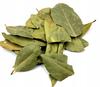
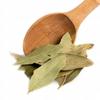
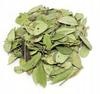
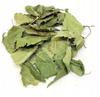
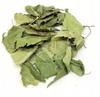
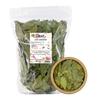
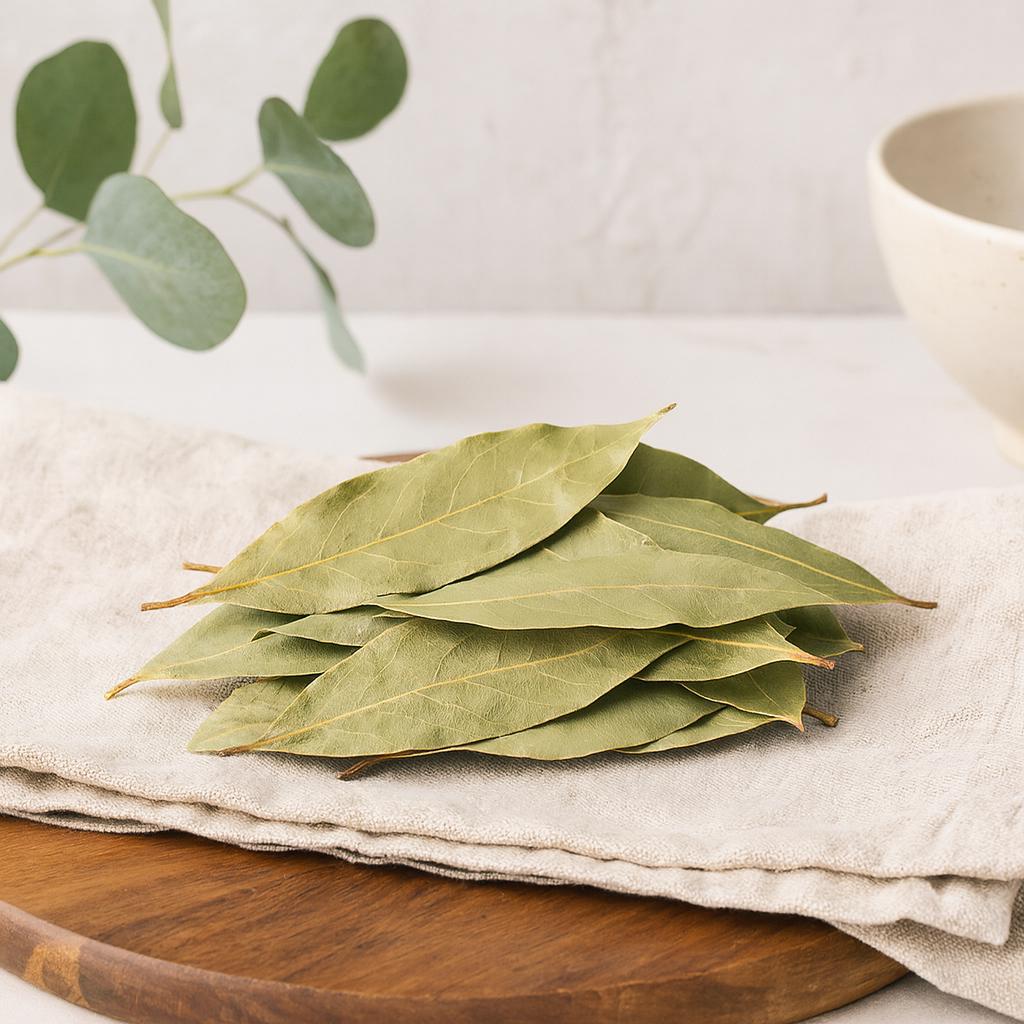
Bay leaves from Spain, whole and dried, in a generous 250 g quantity. The long, lance-shaped leaves carry the quiet, resinous warmth that has made them a kitchen staple across the Mediterranean for centuries, present in the background of a slow braise, a pot of lentils, or a jar of pickled vegetables, lending depth without announcing themselves.
Botanical profile
These are the leaves of Laurus nobilis, the true laurel, a broadleaf evergreen native to the Mediterranean basin. The name Laurus traces back to Latin, and the plant has been cultivated and gathered across southern Europe since antiquity. The whole dried leaf retains its volatile oils far longer than a crushed or ground form, releasing its characteristic aroma gradually as it heats in liquid. The scent is woody and faintly floral, with a mild eucalyptus edge and a subtle bitterness that rounds out as it steeps.
Culinary and infusion use
Bay leaf is one of the foundational aromatics of European cooking. It appears in the French bouquet garni, in Spanish sofrito bases, in Italian ragù, and in the spiced brines of Greek and Turkish kitchens. Add a leaf or two to stocks, soups, stews, and braised meats at the start of cooking and remove before serving, the leaf itself is not eaten. It also works well in rice dishes, dried bean preparations, and marinades for fish or game.
Beyond the pot, whole bay leaves are used to make simple herbal infusions: steeped in hot water for several minutes, the leaf yields a pale, lightly bitter tisane with a warm, resinous character. It is also a traditional addition to spiced mulled drinks and to the aromatic syrups used in some Mediterranean pastry traditions.
Quality and quantity
At 250 g, this is a pantry quantity, well suited to regular use or to blending into a larger spice collection. Whole leaves store well and hold their aroma longer than pre-ground bay. Keep them in a sealed container away from direct light and heat; a cool, dark cupboard is ideal.
Prov…
region of manufacture: Spain
ingredient: Flowers


 No-delivery refund